
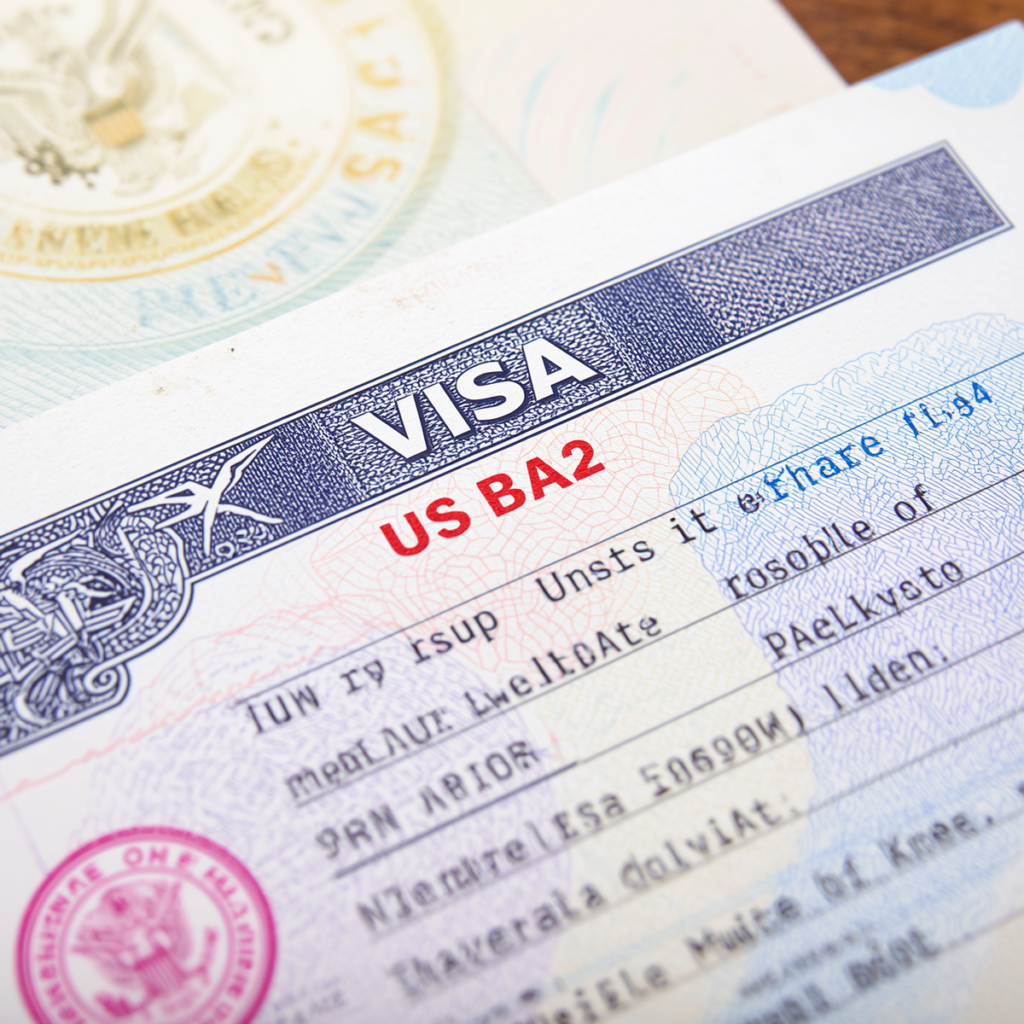
what is b1 b2 us visa Are you planning to visit the United States for a business meeting, vacation, family visit, medical treatment, or another temporary purpose? If so, you may have heard the term B1/B2 US visa and wondered exactly what it means.
The B1/B2 visa is one of the most commonly used U.S. visitor visa categories. It combines the purposes of a B1 business visa B2 tourist visa, allowing eligible foreign nationals to travel temporarily to the United States for certain business and personal activities.
However, having a B1/B2 visa does not mean that a person can work, study for a degree, live permanently in the United States, or perform any activity they choose. Understanding exactly what the visa allows—and what it does not allow—is essential before applying or traveling.
In this detailed guide, we explain what a B1 B2 US visa is, how B1 and B2 purposes differ, what activities are permitted, how the application process works, what documents may be useful, how long visitors can stay, and common mistakes applicants should avoid.
What Is a B1 B2 US Visa?
A B1/B2 US visa is a temporary, nonimmigrant visitor visa that can be used for qualifying business and tourism-related travel to the United States.
The “B1” portion relates primarily to temporary business activities, while the “B2” portion relates primarily to tourism, vacation, visiting family and friends, and certain other temporary personal purposes.
When both classifications appear together as B1/B2, the visa may cover both eligible business and tourism purposes. The U.S. Department of State describes visitor visas as nonimmigrant visas for temporary business, tourism, or a combination of both.
For example, a person might travel to the United States to:
- Attend a business conference
- Meet with business associates
- Negotiate a contract
- Attend a professional convention
- Visit family members
- Take a vacation
- Visit tourist attractions
- Receive certain types of medical treatment
The specific purpose of travel must be consistent with the visitor visa rules. A B1/B2 visa is not a general-purpose work permit or an immigration visa.
What Does B1 Mean on a U.S. Visa?
B1 refers to the business visitor classification. It is generally intended for people traveling temporarily to the United States for certain qualifying business activities that do not amount to ordinary employment in the United States.
Examples of Permitted B1 Business Activities
Depending on the circumstances, qualifying B1 activities may include:
- Consulting with business associates
- Attending business meetings
- Participating in professional conferences or conventions
- Negotiating contracts
- Conducting certain independent research
- Settling an estate
- Participating in certain commercial transactions
- Attending qualifying business seminars
For example, imagine that a business owner from outside the United States is invited to New York to meet with a potential supplier and negotiate a commercial agreement. That type of temporary business activity may fall within the B1 visitor category if the traveler meets the applicable requirements.
Similarly, a professional may travel to the United States to attend an international industry conference, meet with business partners, or participate in qualifying consultations.
However, B1 status generally does not authorize a person to take a regular job with a U.S. employer or perform ordinary employment in the United States. The U.S. Department of State explains that B-1 business activities must not be confused with employment and that a different visa category may be required for work activities.
What Does B2 Mean on a U.S. Visa?
B2 refers to the visitor-for-pleasure classification. It is commonly associated with tourism and other qualifying temporary personal travel.
Common B2 Travel Purposes
A B2 visa may be appropriate for certain temporary activities such as:
- Tourism and sightseeing
- Vacation travel
- Visiting family members
- Visiting friends
- Receiving certain medical treatment
- Participating in certain social events
- Taking part in certain amateur events where the participant is not paid
- Taking a short recreational course that is not for academic credit
For example, a traveler may apply for a B2 visa to visit relatives in California, explore national parks, attend a family celebration, or receive qualifying medical treatment.
The B2 category is intended for temporary travel. Applicants should be able to explain the purpose of their visit and demonstrate that their plans are consistent with temporary visitor travel.
What Is the Difference Between a B1 Visa, B2 Visa, and B1/B2 Visa?
The simplest way to understand the difference is to look at the purpose of travel.
| Visa Type | Main Purpose | Examples |
|---|---|---|
| B1 | Temporary business travel | Meetings, conferences, consultations, contract negotiations |
| B2 | Tourism and personal travel | Vacation, visiting relatives, tourism, certain medical treatment |
| B1/B2 | Combination of qualifying business and personal travel | Business meetings plus tourism or family visits |
Many applicants apply for a combined B1/B2 visitor visa when they may have both business and personal reasons to travel to the United States at different times.
Why Do Many Applicants Apply for a B1/B2 Visa?
A combined B1/B2 visa can be useful for travelers whose future trips may involve different temporary purposes.
For example, a business owner might travel to the United States several times to attend trade events and meet business partners. The same person might also want to visit friends or take a vacation during another trip.
Instead of applying separately for a B1 visa and a B2 visa, an applicant may be eligible for a combined classification if their travel purposes qualify.
However, the visa does not automatically guarantee admission to the United States. A visa allows a traveler to request entry at a U.S. port of entry. The final decision regarding admission and the authorized period of stay is made by U.S. immigration authorities at the port of entry.
What Can You Do With a B1/B2 US Visa?
The activities permitted depend on the purpose of travel and the applicable rules. Generally, a B1/B2 visa may allow qualifying temporary travel for business and pleasure.
Business Activities
Examples may include:
- Attending business meetings
- Consulting with business associates
- Attending professional conventions
- Participating in certain conferences
- Negotiating contracts
- Taking part in certain qualifying commercial activities
Tourism Activities
Examples may include:
- Visiting tourist attractions
- Taking a vacation
- Visiting family and friends
- Traveling for leisure
- Participating in qualifying social activities
Medical Treatment
B2 travel may also cover certain temporary medical treatment purposes. Applicants seeking medical treatment should be prepared to provide appropriate information about their planned treatment and ability to cover relevant expenses when required.
What Can You Not Do With a B1/B2 Visa?
One of the most important things to understand about a B1/B2 visa is that it has limitations.
A visitor visa generally cannot be used to:
- Accept ordinary employment in the United States
- Work for a U.S. employer in a regular job
- Study toward a degree or academic qualification
- Live permanently in the United States
- Perform paid professional entertainment
- Work as a member of a ship or aircraft crew
- Work as foreign press or a journalist under the wrong visa classification
The U.S. Department of State specifically identifies employment, degree study, permanent residence, and certain other activities as purposes requiring different visa classifications.
Can You Work in the United States With a B1/B2 Visa?
Generally, no. A B1/B2 visa is not a standard employment visa.
One of the most common mistakes applicants make is assuming that because they can enter the United States with a B1/B2 visa, they can find a job and start working. That is not how the visitor visa category works.
If your primary purpose is to work in the United States, you generally need to explore a visa category specifically designed for employment or another qualifying work-related activity.
Can You Study With a B1/B2 Visa?
Generally, a B1/B2 visa cannot be used for full-time academic study or a program leading to a degree.
A short recreational course that is not for academic credit may be permitted in some circumstances. However, someone planning to attend a university, college, or other qualifying academic program should normally investigate the appropriate student visa category.
Who Can Apply for a B1/B2 US Visa?
Foreign nationals who want to travel temporarily to the United States for a qualifying business, tourism, or combined purpose may apply for a visitor visa if they meet the applicable requirements.
Every applicant is assessed based on their individual circumstances. There is no single document that guarantees approval.
Applicants should be prepared to explain:
- Why they want to travel to the United States
- How long they expect to stay
- What they plan to do during the trip
- How they will pay for the trip
- Why they intend to return after their temporary visit
The strongest application is generally one that is truthful, consistent, and supported by credible information.
How to Apply for a B1/B2 US Visa
The application process may vary depending on the applicant’s country and the U.S. Embassy or Consulate handling the application. However, the process generally includes several important steps.
Step 1: Determine the Correct Visa Purpose
Before completing any application, identify the real purpose of your trip.
Are you traveling for:
- Tourism?
- Business meetings?
- A conference?
- Visiting family?
- Medical treatment?
- A combination of business and tourism?
Choosing the correct visa category begins with accurately identifying your intended activity.
Step 2: Complete Form DS-160
Applicants for a U.S. nonimmigrant visa generally complete the online DS-160 application form.
The information submitted should be accurate and consistent with the applicant’s supporting documents and interview answers.
Errors, omissions, or inconsistent information can create problems. Applicants should carefully review the form before submitting it.
Step 3: Pay the Required Visa Application Fee
Applicants generally need to pay the applicable visa application fee according to the current requirements and instructions for the location where they apply.
Fees and procedures can change, so applicants should always verify current information through official U.S. government or embassy resources.
Step 4: Schedule the Visa Interview
Many applicants are required to attend an interview with a consular officer. The appointment process varies by country.
Applicants should follow the instructions provided by the relevant U.S. Embassy or Consulate.
Step 5: Prepare Supporting Documents
Applicants should bring documents relevant to their circumstances and travel purpose.
Potentially useful documents may include:
- A valid passport
- DS-160 confirmation information
- Appointment confirmation
- Evidence relating to the purpose of travel
- Employment or business information
- Financial documents where relevant
- Evidence of family, professional, or other ties outside the United States
- Medical documents where medical treatment is the purpose of travel
The exact documents required may vary. More documents do not automatically mean a stronger application. The most important principle is that all information should be genuine, relevant, and consistent.
What Documents Are Important for a B1/B2 Visa Application?
Many applicants ask, “What documents do I need for a B1/B2 visa?” The answer depends on the applicant’s personal situation and travel purpose.
Passport and Application Documents
A valid passport and the required application confirmation documents are fundamental parts of the process.
Proof of Travel Purpose
Applicants should be able to explain their travel plans clearly.
For a business trip, relevant information may include:
- Conference details
- Meeting information
- Business correspondence
- Information about the applicant’s business
- Details about the commercial purpose of the trip
For tourism, applicants may be able to explain:
- Planned destinations
- Approximate travel dates
- Accommodation plans
- Travel itinerary
Evidence of Financial Ability
An applicant should be able to explain how the trip will be paid for.
Depending on the circumstances, financial evidence may include:
- Bank statements
- Employment income information
- Business financial information
- Evidence of sponsorship or financial support where applicable
Evidence of Ties Outside the United States
Applicants should be prepared to explain their circumstances outside the United States.
Examples may include:
- Employment
- Business ownership
- Family responsibilities
- Property or financial commitments
- Professional obligations
- Educational commitments
There is no universal checklist that guarantees approval. Each case is evaluated according to its own facts.
How Long Can You Stay in the United States With a B1/B2 Visa?
This is one of the most misunderstood aspects of a B1/B2 visa.
The visa validity period is not necessarily the same as the length of time you are permitted to remain in the United States during a particular visit.
A visa may be valid for travel until its expiration date, but the authorized period of admission for a particular trip is determined when the traveler is admitted to the United States.
Therefore, travelers should never assume that a visa’s expiration date automatically means they can remain in the United States until that date.
The length of an individual stay can depend on the admission decision and applicable immigration rules. Travelers should carefully check their admission information and comply with the authorized period of stay.
Is a B1/B2 Visa the Same as a Green Card?
No.
A B1/B2 visa is a temporary, nonimmigrant visitor visa. It is intended for qualifying temporary travel.
A green card is associated with lawful permanent residence in the United States.
Someone who receives a B1/B2 visa should not assume that the visa itself provides a pathway to permanent residence. The purpose and rules of a temporary visitor visa are fundamentally different from those of an immigrant visa or permanent resident status.
Can You Extend Your Stay While in the United States?
In certain circumstances, a visitor may be able to request an extension of stay through the appropriate U.S. immigration process.
However, an extension is not automatic and should not be assumed.
Visitors should:
- Understand the conditions of their admission
- Follow applicable immigration rules
- Apply through the proper process when eligible
- Avoid overstaying their authorized period
Anyone considering an extension or change of status should carefully review current official guidance and, where appropriate, seek qualified professional advice.
What Is the Difference Between Visa Validity and Authorized Stay?
Consider this example:
A traveler receives a visa that is valid for several years. That does not automatically mean the traveler can remain in the United States continuously for several years.
The visa is primarily a travel document used to request admission. The admission period for a specific visit is determined separately.
This distinction is extremely important for B1/B2 visa holders.
What Happens at the U.S. Port of Entry?
Having a valid visa does not automatically guarantee admission to the United States.
When a traveler arrives, U.S. immigration authorities may review the person’s documents, travel purpose, and eligibility for admission.
Travelers should be prepared to answer basic questions about:
- The purpose of the trip
- The intended length of stay
- Where they will stay
- Who they plan to visit
- What business activities they intend to conduct, if applicable
Travelers should always answer truthfully and accurately.
Common Reasons B1/B2 Visa Applications May Be Refused
A visa refusal can happen for many reasons. Some common concerns may include:
- Unclear travel purpose
- Inconsistent information
- Insufficient explanation of temporary travel plans
- Concerns about the applicant’s intention to return
- Financial information that does not support the proposed trip
- Previous immigration violations
- Misrepresentation or false information
Applicants should never create false documents or provide misleading information.
The U.S. Department of State warns that fraud or willful misrepresentation of a material fact can result in serious visa consequences, including permanent refusal in certain circumstances.
How to Improve Your B1/B2 Visa Application
1. Be Clear About Your Purpose
You should be able to explain your trip in a simple and truthful way.
For example:
“I am traveling to attend a three-day professional conference and meet two business partners. I plan to return after the trip because I have an ongoing business in my home country.”
A clear explanation is usually more useful than a long, confusing story.
2. Make Sure Your Documents Are Consistent
Your application form, supporting documents, and interview answers should not contradict one another.
Check important details such as:
- Travel dates
- Employment information
- Business details
- Family information
- Financial information
3. Do Not Submit Fake Documents
False bank statements, fake employment letters, fabricated invitations, or altered documents can cause serious problems.
Professional document preparation should focus on organizing truthful information—not creating artificial evidence.
4. Prepare for Questions About Your Return
Many temporary visitor visa applicants should be prepared to explain why their visit is temporary.
This does not mean memorizing a speech. It means understanding your own application and being able to answer questions honestly.
5. Do Not Buy Nonrefundable Travel Arrangements Too Early
Visa issuance is not guaranteed. The U.S. Department of State advises applicants not to make final travel plans or purchase tickets until a visa has been issued.
Common B1/B2 Visa Mistakes to Avoid
Mistake 1: Saying You Want to “Find a Job”
A visitor visa is not generally intended for ordinary employment.
Mistake 2: Providing an Unclear Travel Purpose
If your application says you are visiting for tourism but your actual plan is to work or study, that inconsistency can create serious concerns.
Mistake 3: Relying Only on an Invitation Letter
An invitation letter may explain why someone wants you to visit, but it does not automatically guarantee visa approval.
Mistake 4: Assuming a Large Bank Balance Guarantees Approval
Financial information is only one part of a visa application. The overall circumstances and credibility of the application matter.
Mistake 5: Giving False Information
Applicants should always provide truthful information. Misrepresentation can have serious immigration consequences.
B1/B2 Visa for Business Owners and Professionals
Business owners and professionals often use visitor visas for temporary business activities such as meetings, conferences, consultations, and contract negotiations.
However, the business activity must fit within the permitted visitor framework.
For example, a foreign company executive may travel to the United States to meet with a potential partner. A technology professional may attend an industry conference. An entrepreneur may negotiate a commercial agreement.
These examples are different from accepting a regular U.S. job and performing ongoing employment.
If your proposed activities are complex, highly specialized, or involve payment from a U.S. source, you should carefully review the appropriate visa requirements before traveling.
B1/B2 Visa for Family Visits and Tourism
Many people apply for a B2 or B1/B2 visa to visit relatives and friends in the United States.
A family relationship alone does not guarantee approval. The applicant should still be able to explain the purpose and temporary nature of the trip.
A typical tourism plan might include:
- Visiting relatives for several weeks
- Spending time with family
- Visiting tourist destinations
- Returning home after the planned visit
The most important principle is honesty and consistency.
Can a B1/B2 Visa Be Used for Medical Treatment?
In certain circumstances, a B2 visitor visa may be used for qualifying medical treatment.
Applicants seeking medical treatment may need to provide relevant information about:
- The medical purpose of the trip
- The treatment provider
- The expected treatment period
- The ability to pay medical and travel expenses
Medical travel can involve complex documentation, so applicants should carefully review the requirements applicable to their individual situation.
How Professional Document Services Can Help
Preparing a visa application can feel overwhelming, particularly when applicants must organize personal, financial, business, employment, and travel information.
Professional document preparation and translation services may help applicants organize their information more clearly.
Depending on the service required, assistance may include:
- Document organization
- Certified translation of eligible documents
- Review of application information for consistency
- Preparation of supporting documentation packages
- Assistance with government documentation requirements
- Document legalization and apostille services where applicable
Professional assistance should never involve creating false information or guaranteeing visa approval. The final decision belongs to the appropriate U.S. government authority.
Frequently Asked Questions About the B1/B2 US Visa
What is a B1 B2 US visa?
A B1/B2 US visa is a temporary visitor visa that may cover qualifying business activities under the B1 classification and tourism or other qualifying personal travel under the B2 classification.
Is a B1/B2 visa a tourist visa?
It can be used for qualifying tourism and personal travel under the B2 classification. However, the combined B1/B2 visa may also cover qualifying temporary business activities.
Can I work in the United States with a B1/B2 visa?
Generally, no. A B1/B2 visitor visa is not a standard employment visa. Ordinary employment usually requires an appropriate work-authorized visa category.
Can I study in the United States with a B1/B2 visa?
Generally, a B1/B2 visa cannot be used for degree-level academic study. Certain short recreational courses that are not for academic credit may be permitted in appropriate circumstances.
How long can I stay in the United States with a B1/B2 visa?
The authorized period of stay is determined separately from the visa expiration date. Travelers should check the admission information for their specific visit and comply with the authorized period.
Does having a B1/B2 visa guarantee entry to the United States?
No. A visa allows a traveler to request admission. Admission is determined at the U.S. port of entry according to applicable rules.
Conclusion: Understanding What a B1/B2 US Visa Really Means
So, what is a B1 B2 US visa? In simple terms, it is a temporary U.S. visitor visa that can cover qualifying business travel, tourism, and other permitted temporary activities depending on the classification and purpose of the trip.
The B1 portion is generally associated with temporary business activities such as meetings, consultations, conferences, and contract negotiations. The B2 portion is generally associated with tourism, vacations, family visits, and certain other qualifying personal purposes.
However, a B1/B2 visa is not a work permit, student visa, or green card. Applicants should carefully match their real travel purpose to the correct visa category, provide truthful information, prepare relevant documentation, and follow current official requirements.
If you need help organizing documents, preparing supporting paperwork, translating official documents, or handling documentation requirements for an international application, Elit Documents can help you prepare your paperwork with greater clarity and confidence.
Start your document preparation journey today and make sure your important paperwork is organized, accurate, and ready for the next step.