
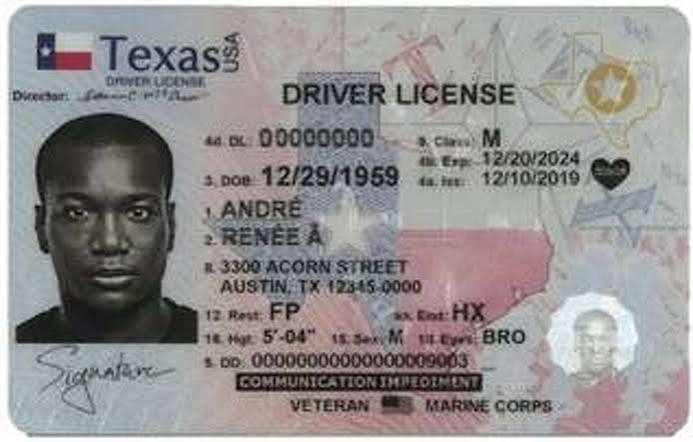
Getting a driver’s license is an exciting step toward becoming a more independent driver. If you live in Texas and want to drive legally, you need to understand the licensing process before you apply.
The process may seem complicated at first. However, once you know the requirements, documents, tests, and steps involved, it becomes much easier to prepare.
This guide explains how to get a driver’s licence in Texas simply and practically. It covers the process for new drivers, teens, and adults, along with information about learner licenses, driver education, testing, fees, appointments, and common mistakes.
Texas driver licensing is handled by the Texas Department of Public Safety (DPS). Because requirements and fees can change, you should always check the latest information from the official Texas DPS before applying.
What Is a Texas Driver’s License?
A Texas driver’s license is an official credential that allows an eligible person to legally operate certain motor vehicles on public roads in Texas.
For most people driving a regular passenger vehicle, the standard license is a Class C driver’s license.
Before receiving a license, applicants may need to meet several requirements. These can include providing identification documents, proving Texas residency, meeting education requirements, passing a vision screening, passing a knowledge test, and completing a driving test.
The exact process depends on factors such as your age, previous driving experience, and whether you already have a license from another state or country.
Who Can Apply for a Texas Driver’s License?
The requirements for a Texas driver’s license depend partly on the applicant’s age and circumstances.
A first-time teen driver usually follows a graduated licensing process. This may include driver education, a learner license, supervised driving practice, and additional testing.
Adults who are applying for their first license may follow a different process.
Someone moving to Texas with a valid license from another state may also have different requirements because they may be transferring an existing license rather than starting from the beginning.
Because of these differences, it is important to identify which category applies to you before beginning the application.
Texas Driver’s License Age Requirements
Age is an important part of the Texas licensing process.
Texas has different licensing stages for younger drivers. Teen drivers generally start with a learner license and progress toward a provisional license before receiving a regular unrestricted license.
Adults may be able to follow a more direct licensing process, although they still need to satisfy applicable requirements.
If you are a teenager, do not assume that you can follow the same process as an adult. Education, supervision, testing, and restrictions may be different.
Before applying, check the current Texas DPS rules for your specific age group.
How to Get a Driver’s Licence in Texas Step by Step
If you are wondering how to get a driver’s licence in Texas, the process can be easier when you break it into individual steps.
The general process includes checking your eligibility, collecting documents, completing an application, meeting education requirements when applicable, passing required tests, practicing your driving skills, and completing the licensing process.
Here is a closer look at each step.
Step 1: Determine Which License You Need
The first step is to determine which type of Texas driver’s license is appropriate for you.
Most people who want to drive ordinary passenger vehicles will need a standard Class C license.
However, Texas offers different types of licenses for different purposes. Commercial drivers, for example, may need a commercial driver’s license.
If you are learning to drive, you may first need a learner license rather than a full driver’s license.
Knowing which license you need helps you understand which requirements apply to you.
Step 2: Check Your Eligibility
Before making an appointment, make sure you meet the basic eligibility requirements.
Depending on your situation, you may need to meet requirements related to age, identity, Texas residency, Social Security information, lawful presence, driver education, and testing.
Teen applicants may have additional requirements.
Adults who have never driven before may also need to complete the required testing and education steps.
Checking your eligibility before applying can help prevent delays.
Step 3: Gather Your Required Documents
One of the most important parts of the application process is gathering the correct documents.
Texas DPS requires applicants to provide certain documentation to establish their identity and eligibility.
Documents may include proof of identity, Social Security information when required, proof of Texas residency, and documents related to lawful presence when applicable.
The exact documents you need can depend on your individual circumstances.
Do not rely on an old checklist you found online. Government requirements can change, so verify the current list with Texas DPS before your appointment.
Step 4: Complete the Application
After determining your eligibility and gathering your documents, you can complete the appropriate driver’s license application.
Make sure the information you provide is accurate.
Your name, date of birth, address, and other personal details should match your official documentation.
If you are unsure about a question on the application, check the official instructions or ask Texas DPS for clarification rather than guessing.
Step 5: Meet Driver Education Requirements
Driver education is an important part of learning to drive safely.
Some applicants, especially younger drivers, may need to complete an approved driver education program before receiving a license.
Driver education can teach important topics such as traffic laws, defensive driving, road signs, safe following distances, and responsible decision-making.
Even when education requirements do not apply in the same way to every applicant, learning the rules of the road is essential.
Step 6: Pass the Vision Screening
Applicants may need to complete a vision screening as part of the licensing process.
The purpose is to determine whether your vision meets the standards needed for safe driving.
If you normally use glasses or contact lenses while driving, bring them with you.
If you have concerns about your vision, consider discussing them with an eye-care professional before taking the test.
Step 7: Pass the Knowledge Test
The knowledge test checks whether you understand important traffic laws and safe-driving rules.
Questions may cover topics such as traffic signs, right-of-way rules, speed regulations, safe driving practices, and other information included in the Texas Driver Handbook.
Studying the official handbook is one of the best ways to prepare.
Do not depend entirely on random online practice questions because they may be outdated or inaccurate.
Step 8: Practice Driving
Passing a written test does not automatically make someone a safe driver.
Practical experience is extremely important.
If you have a learner license, use your supervised driving time to develop basic skills.
Practice starting and stopping smoothly, making turns, changing lanes, parking, following traffic signals, checking mirrors, and watching for other road users.
The more comfortable you become with these basic skills, the better prepared you may be for your driving test.
Step 9: Schedule Your Driving Test
When you have completed the requirements that apply to you and feel ready, you can arrange the required driving test.
Check Texas DPS for the current appointment process.
Before your appointment, make sure you understand the requirements for the vehicle you plan to use.
The vehicle may need to meet specific safety, registration, insurance, and equipment requirements.
Step 10: Take the Driving Test
The driving test evaluates your ability to operate a vehicle safely.
You may be asked to demonstrate basic driving skills such as stopping, turning, changing lanes, maintaining proper speed, signaling, and responding appropriately to traffic conditions.
Your goal should not simply be to pass the test.
The real goal is to demonstrate that you can drive safely and responsibly.
Step 11: Complete the Final Licensing Process
After successfully completing the applicable requirements, you can complete the remaining licensing steps.
Make sure all information on your license or temporary documentation is correct.
If you notice an error, ask the appropriate licensing office about how to correct it.
How to Get a Texas Driver’s License as a Teen
Teen drivers generally follow a graduated licensing process.
This system is designed to give new drivers experience over time rather than immediately providing unrestricted driving privileges.
The process may involve driver education, a learner license, supervised practice, additional testing, and a provisional license.
Texas Learner License
A learner license allows a new driver to gain practical driving experience under required supervision.
The purpose is to help beginners learn how to operate a vehicle safely before driving more independently.
During this stage, the new driver should focus on building good habits.
These habits include checking mirrors, signaling correctly, maintaining a safe speed, obeying traffic signs, and staying aware of surrounding traffic.
Teen Driver Education
Driver education is an important part of the teen licensing process.
An approved course can help students understand Texas traffic laws and safe driving practices.
Topics can include road signs, defensive driving, vehicle control, traffic situations, and responsible driving behavior.
Teen drivers should take education requirements seriously because knowledge is an important foundation for safe driving.
Supervised Driving Practice
Practice is one of the most valuable parts of learning to drive.
A new driver should spend enough time practicing with a qualified supervising driver.
Start with basic roads and gradually gain experience with more complicated situations.
Practice should include intersections, parking, turns, lane changes, traffic signals, and different road environments.
The goal is to build skill and confidence without rushing the learning process.
Graduated Driver Licensing
Texas uses a graduated approach for younger drivers.
The restrictions and requirements can change as the driver becomes older and gains more experience.
Because the exact rules can depend on age and license stage, teen drivers and their parents should review the current Texas DPS requirements.
How to Get a Texas Driver’s License as an Adult
Adults who have never had a driver’s license may also need to complete several steps.
The process can include providing documents, completing an application, passing required tests, and demonstrating driving ability.
Being an adult does not automatically remove every licensing requirement.
If you have little or no driving experience, it is important to get enough supervised practice before taking a driving test.
First-Time Adult Drivers
A first-time adult driver should start by reviewing the current Texas DPS requirements.
Gather your documents before scheduling an appointment.
You should also study the Texas Driver Handbook and understand the basic traffic rules.
If you have never driven before, professional driving lessons can be useful.
A qualified instructor can help you develop safe habits and identify mistakes that you might not notice yourself.
Adults Moving to Texas
If you already have a valid driver’s license from another state and move to Texas, your process may be different from that of a first-time driver.
You may need to apply for a Texas license and surrender or transfer your previous license according to applicable rules.
Texas residency requirements and deadlines can apply.
Check the latest Texas DPS instructions for people who are establishing residency in Texas.
Adults With an International License
People who have previously driven in another country should not assume that an international or foreign license automatically gives them a Texas driver’s license.
The requirements can depend on the applicant’s situation and the country that issued the license.
If you are moving from another country, check directly with Texas DPS to determine which documents and tests apply to you.
What Documents Do You Need for a Texas Driver’s License?
Knowing what documents you need can make your appointment much easier.
Texas DPS may require documentation in several categories.
Proof of Identity
Applicants generally need acceptable documentation establishing their identity.
The exact documents accepted can depend on your circumstances.
Always check the official Texas DPS list before your appointment.
Social Security Information
Some applicants may need to provide documentation related to their Social Security number.
The exact requirements can vary.
Check the current DPS documentation rules that apply to your situation.
Proof of Texas Residency
You may need to provide documents showing that you live in Texas.
Examples can include qualifying official or financial documents that show your name and Texas residential address.
The specific documents accepted can change, so use the current official DPS requirements.
Lawful Presence Documents
Certain applicants may need to provide documentation establishing lawful presence in the United States.
The requirements can vary depending on the applicant.
Because this is an important documentation issue, use official Texas DPS information rather than relying on informal websites.
Vehicle Documents
If you are taking a driving test using a vehicle, additional vehicle-related documents may be required.
These can include proof of insurance and other applicable vehicle documentation.
Check the current testing requirements before arriving.
How Much Does a Texas Driver’s License Cost?
The cost of getting a Texas driver’s license depends on several factors.
Fees can vary based on the type of license, the applicant’s age, and the service being requested.
You may also have expenses outside the government licensing fee.
For example, a new driver may spend money on driver education, professional driving lessons, vehicle use, or other preparation.
Because fees can change, it is better to check the current Texas DPS fee information before applying.
Do not rely on a fee amount from an old article.
What Tests Do You Need for a Texas Driver’s License?
Testing requirements can vary depending on the applicant.
The licensing process can include vision screening, knowledge testing, and a driving test.
Vision Test
The vision screening checks whether you meet applicable visual standards for driving.
If you normally wear corrective lenses, bring them when required.
Knowledge Test
The knowledge test evaluates your understanding of traffic laws and safe driving.
The Texas Driver Handbook is an important study resource.
Focus on understanding the rules rather than trying to memorize random practice questions.
Driving Test
The driving test evaluates practical driving skills.
You should be prepared to demonstrate safe vehicle control and follow traffic laws.
Practice common skills repeatedly before the test.
How to Prepare for the Texas Driving Test
Good preparation can make the driving test less stressful.
Start by practicing the skills that are commonly required for everyday driving.
Practice Turns
Practice left and right turns while maintaining proper lane position.
Remember to observe traffic, signal appropriately, and control your speed.
Practice Lane Changes
Learn how to check your mirrors and blind spots before changing lanes.
Use your turn signal and make sure there is enough space before moving.
Practice Parking
Parking is an important everyday driving skill.
Practice different parking situations so you are comfortable controlling the vehicle at low speeds.
Practice Stops
Practice making complete, controlled stops.
Pay attention to stop signs, traffic lights, pedestrians, and other vehicles.
Practice Speed Control
Avoid driving too fast or too slowly for the situation.
Always follow posted speed limits and adjust your speed when road or traffic conditions require additional caution.
Always check the official Texas DPS website before applying for a driver’s license. Requirements, fees, documents, appointments, and testing procedures can change. The official Texas Driver License Services page provides current information for applicants. You can also review the Texas Driver Handbook to prepare for Texas traffic rules and knowledge testing. For document requirements, use the official Texas Driver License Requirements information before visiting a driver license office.
Practice Mirror Checks
Good drivers regularly scan their surroundings.
Practice checking your mirrors without losing focus on the road ahead.
Practice Intersections
Intersections require careful observation.
Pay attention to traffic signals, signs, pedestrians, cyclists, and vehicles approaching from different directions.
Common Mistakes During the Texas Driving Test
Many mistakes happen because new drivers become nervous or forget basic habits.
Forgetting to Signal
Failing to signal when required can create a safety problem.
Make signaling part of your normal driving routine.
Not Checking Blind Spots
Mirrors do not show every area around your vehicle.
Before changing lanes or making certain movements, check your blind spots appropriately.
Poor Speed Control
New drivers sometimes focus so much on other tasks that they forget to monitor their speed.
Stay aware of posted limits and road conditions.
Rolling Through Stop Signs
A stop sign requires a proper stop.
Practice making complete stops and checking the intersection before continuing.
Poor Lane Position
Stay properly positioned within your lane.
Avoid drifting toward lane lines or making unnecessary movements.
Not Following Instructions
During a driving test, listen carefully to the examiner’s instructions.
If you do not understand an instruction, ask for clarification rather than making a rushed decision.
What Happens If You Fail the Texas Driving Test?
Failing a driving test can be disappointing, but it does not mean you can never receive a driver’s license.
If you do not pass, review the areas where you had difficulty.
Use the experience as a learning opportunity.
Spend additional time practicing before attempting the test again.
The exact retesting rules, waiting periods, and number of attempts allowed can depend on the circumstances.
Check the current Texas DPS information for the rules that apply to you.
How Long Does It Take to Get a Driver’s License in Texas?
There is no single timeline that applies to every applicant.
The process can take different amounts of time depending on your age, driving experience, education requirements, appointment availability, testing results, and documentation.
For a teen driver, the process may take longer because of learner-license and supervised-practice requirements.
For an experienced adult transferring a qualifying out-of-state license, the process may be different.
Planning can help you avoid unnecessary delays.
Texas Driver’s License Restrictions
Some Texas licenses come with restrictions.
These restrictions can depend on factors such as age, license type, and individual circumstances.
Teen Driver Restrictions
Teen drivers may have restrictions related to passengers, nighttime driving, or other conditions.
These rules are designed to help new drivers gain experience while reducing certain risks.
Because restrictions can change, check the current Texas DPS rules for your license stage.
Corrective Lens Restrictions
If corrective lenses are required to meet the applicable vision standard, your license may contain a restriction requiring their use while driving.
Follow all restrictions shown on your license.
Other Restrictions
Some drivers may have other restrictions based on their individual licensing circumstances.
Always read your license carefully and understand any restrictions that apply.
Texas Learner License vs. Regular Driver’s License
A learner license and a regular driver’s license serve different purposes.
A learner license is primarily designed to help new drivers gain supervised experience.
A regular driver’s license generally provides broader driving privileges after the applicant has met the applicable requirements.
| Feature | Learner License | Regular Driver’s License |
|---|---|---|
| Main purpose | Learning to drive | Driving independently |
| Supervision | Required under applicable rules | Generally not required |
| Restrictions | More restrictions | Fewer restrictions |
| Experience | Designed for beginners | Intended for qualified drivers |
| Testing | Requirements apply | Full licensing requirements apply |
The exact restrictions and requirements depend on the driver’s age and circumstances.
Tips for Getting Your Texas Driver’s License Faster
Although you cannot control every part of the licensing process, good preparation can help prevent avoidable delays.
Prepare Your Documents Early
Review the official document requirements before your appointment.
Make sure your documents are current and acceptable.
Study Before the Knowledge Test
Do not wait until the last minute.
Read the official Texas Driver Handbook and review important traffic rules.
Practice Before the Road Test
Spend enough time practicing basic driving skills.
If possible, practice in different road environments.
Check Your Vehicle
If you are using a vehicle for the driving test, make sure it meets the applicable requirements.
Check important items such as insurance, registration, lights, signals, tires, and other required equipment.
Confirm Your Appointment
Review your appointment details before the day of your visit.
Arrive prepared with the required documentation.
How to Avoid Delays in the Texas License Process
A few simple steps can make the process smoother.
First, use official sources for requirements.
Second, avoid submitting incomplete information.
Third, make sure your documents are accurate.
Fourth, prepare for your tests instead of treating them as something you can simply try without studying.
Finally, remember that requirements may change.
An article, social media post, or forum comment may contain information that is no longer current.
FAQs:
How old do you have to be to get a driver’s license in Texas?
Texas has different licensing stages based on age.
Teen drivers generally follow a graduated licensing process, while adult applicants may follow different requirements.
Check the current Texas DPS rules for your age and situation.
How do you get a driver’s licence in Texas for the first time?
Generally, you need to determine your eligibility, gather the required documents, complete the application, meet applicable education requirements, pass required tests, practice driving, and complete the driving test when required.
The exact process depends on your age and circumstances.
Do I need a learner license in Texas?
Whether you need a learner license depends on your age and circumstances.
Teen drivers generally follow a learner stage as part of the graduated licensing process.
Adults may have different requirements.
Do I need driver education in Texas?
Driver education requirements depend on factors such as your age and licensing situation.
Teen drivers commonly have additional education requirements.
Always check the current Texas DPS requirements.
What documents do I need to get a Texas driver’s license?
Documents can include proof of identity, Social Security information when applicable, Texas residency documents, and other required documentation.
The exact list depends on your circumstances.
How much does a Texas driver’s license cost?
The government fee depends on the type of license and other factors.
Additional expenses may include driver education or driving lessons.
Check the latest Texas DPS fee schedule for current costs.
Is there a written test for a Texas driver’s license?
Knowledge testing may be required depending on the applicant’s circumstances.
The test covers important information about traffic laws and safe driving.
Studying the Texas Driver Handbook is a useful way to prepare.
Is there a driving test in Texas?
A driving test may be required depending on your circumstances.
The test evaluates practical driving skills and your ability to operate a vehicle safely.
Can I use my own car for the driving test?
You may be able to use a qualifying vehicle, but the vehicle must meet applicable requirements.
Check the current Texas DPS testing rules before your appointment.
What happens if I fail my Texas driving test?
If you fail, you can generally prepare and retest according to the applicable rules.
Use the experience to identify areas that need more practice.
How long does it take to get a Texas driver’s license?
The timeline varies.
Your age, experience, education requirements, appointment availability, documentation, and testing results can all affect how long the process takes.
Official Resources for Texas Drivers
When researching how to get a driver’s licence in Texas, it is important to use reliable sources.
The Texas Department of Public Safety should be your primary source for current driver’s license requirements, appointments, documents, testing information, and fees.
The official Texas Driver Handbook is also an important resource for studying traffic laws and preparing for knowledge testing.
You can also check official Texas government information about driver licensing, transportation, and insurance.
Using government sources helps you avoid relying on outdated information from unofficial websites.
Final Thoughts:
Learning how to get a driver’s licence in Texas becomes much easier when you understand the process before you begin.
Start by checking which requirements apply to you based on your age and circumstances.
Then gather the correct documents, complete the necessary application, meet driver education requirements when applicable, and prepare for the required tests.
If you are a new driver, spend plenty of time practicing before taking the driving test.
Focus on safe driving habits rather than simply trying to memorize answers or pass an exam.
Remember that Texas driver’s license requirements, fees, appointments, and procedures can change. For that reason, always verify the latest information with the Texas Department of Public Safety before completing your application or visiting a licensing office.
With good preparation, careful study, and enough driving practice, you can approach the Texas licensing process with greater confidence and a better understanding of what to expect.