
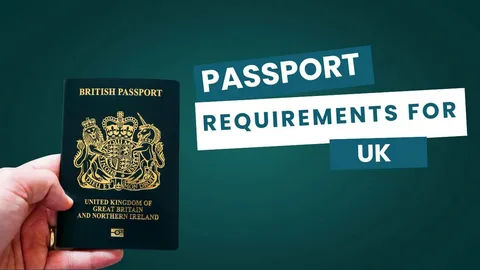
Have you ever stared at your travel bucket list, a job offer abroad, or a university acceptance letter and thought, “None of this matters until I sort out my passport”? You’re not alone. Every year, thousands of people across the UK and beyond ask the same question: how can I get a UK passport? Whether you’re applying for the very first time, renewing an expired document, helping a child get their travel papers sorted, or reclaiming British citizenship through descent, the process can feel like a maze of forms, fees, and confusing government jargon.
The good news? Getting a UK passport doesn’t have to be stressful. In this comprehensive guide, we’ll walk you through everything you need to know — from eligibility requirements and required documents to application steps, processing times, common mistakes, and how professional document services like Elit Documents can save you time, money, and unnecessary headaches.
By the end of this article, you’ll have a clear roadmap to getting your UK passport approved on the first try, without the guesswork.
Why Getting Your UK Passport Right the First Time Matters
A UK passport is more than a travel document — it’s proof of your identity and British citizenship, accepted worldwide as one of the most powerful and trusted travel documents on the planet. But here’s the catch: even a small error, like a mismatched name spelling, a poor-quality photo, or a missing supporting document, can delay your application by weeks or even months.
For travelers with an upcoming flight, students racing against enrollment deadlines, job seekers needing to start a new role abroad, or business owners closing international deals, these delays aren’t just inconvenient — they can be costly. That’s why understanding the process upfront and knowing when to bring in expert help is essential.
Who Can Get a UK Passport? Understanding Eligibility
Before diving into the application steps, it’s important to confirm you’re actually eligible. UK passports are issued only to British citizens, so your first task is understanding which category you fall into.
1. British Citizens Applying for the First Time
This applies to individuals born in the UK to British parents, naturalized citizens, or those who have completed the British citizenship process and now need their first passport.
2. British Citizens Renewing an Existing Passport
If your passport is expired, expiring soon, damaged, or full of stamps, you’ll need to renew rather than apply fresh.
3. Children Under 16
Parents or legal guardians must apply on behalf of children, with additional consent and documentation requirements.
4. British Citizens Living Abroad
Expats and dual nationals living outside the UK can still apply or renew, though processing times and document requirements often differ.
5. Individuals Claiming Citizenship Through Descent or Naturalization
If you’re not automatically a British citizen but qualify through parentage, marriage, long-term residency, or the naturalization process, you’ll need to secure citizenship confirmation before applying for a passport.
Not sure which category applies to you? This is one of the most common points of confusion — and one of the easiest ways professional consultants at Elit Documents can quickly clarify your status before you waste time on the wrong application route.
How Can I Get a UK Passport? Step-by-Step Process
Now let’s break down the actual process. While the exact steps vary slightly depending on whether you’re applying for the first time, renewing, or applying from abroad, the overall framework looks like this:
Step 1: Determine the Right Application Type
- First-time adult passport (16+)
- Child passport (under 16)
- Passport renewal
- Replacement for a lost, stolen, or damaged passport
- Application from overseas
Step 2: Gather Your Supporting Documents
This is where most delays happen. You’ll typically need:
- Proof of identity (birth certificate, naturalization certificate, or existing passport)
- Proof of address
- A passport-standard photo
- Parental consent documents (for children)
- Marriage or name change certificates (if applicable)
- Evidence of British citizenship (for first-time or descent-based applicants)
Step 3: Complete the Application
Applications can be submitted online or by paper form, depending on your situation. Online applications are generally faster and cheaper, but certain complex cases — such as first-time applications for those born overseas — require a paper application countersigned by an approved referee.
Step 4: Pay the Applicable Fee
Fees vary depending on whether you apply online or by post, and whether you need standard or premium (fast-track) service.
Step 5: Submit Your Photo and Documents
Digital photo uploads are standard for online applications, while paper applications require printed photos verified by a countersignatory.
Step 6: Track Your Application
Once submitted, you can track your application status online using your application reference number.
Step 7: Receive Your Passport
Processing times vary, but applicants are generally advised to allow several weeks, especially during peak travel seasons.
Documents You’ll Need: A Closer Look
Let’s go deeper into the documentation side, since this is where most applications succeed or fail.
Proof of Identity
For first-time applicants, this usually means an original full birth certificate showing parents’ details, or a certificate of naturalization/registration for those who became British citizens later in life.
Proof of Address
Recent utility bills, bank statements, or official government correspondence are typically accepted.
Photographs
UK passport photos must meet strict specifications: correct size, plain background, neutral expression, and no shadows or glare. Rejected photos are one of the top reasons applications get bounced back.
Countersignatory Requirements
For certain applications — particularly first-time passports and those involving children — a countersignatory (someone who has known you for a set period and holds an approved profession) must verify your identity and photo.
Foreign Documents Need Special Handling
If you were born overseas, married abroad, or hold foreign civil documents (birth certificates, marriage certificates, divorce decrees), these often need to be:
- Officially translated into English by a certified translator
- Legalized or apostilled to confirm authenticity for use in the UK
This is a step many applicants overlook — and it’s precisely where services like certified translation, apostille, and document legalization become essential. Submitting a foreign birth or marriage certificate without proper legalization is one of the most common reasons passport applications are delayed or rejected outright.
First-Time UK Passport Applications: What Makes Them Different
If this is your very first UK passport, expect a more thorough identity verification process than a simple renewal. Passport authorities want to be extra certain of your identity since there’s no existing passport record to reference.
Key Differences for First-Time Applicants:
- A countersignatory is almost always required
- Original birth certificates (not copies) must usually be provided
- Processing can take longer than renewals
- An interview may be required in some cases, particularly for adult first-time applicants
Tips for a Smooth First-Time Application
- Start the process early — don’t wait until you have a booked flight
- Double-check your countersignatory meets eligibility rules
- Ensure your birth certificate is the full version, not the short-form certificate
- If your documents are in a foreign language, have them certified-translated before submission
Renewing Your UK Passport: A Simpler (But Still Tricky) Process
Renewals are generally more straightforward since you already have an established identity record. However, applicants often run into snags such as:
- Name changes not properly documented (e.g., after marriage or divorce)
- Outdated or non-compliant photos
- Passports that were damaged, water-stained, or altered
- Applying too close to a travel date
When Should You Renew?
Many countries require your passport to be valid for at least six months beyond your travel dates. Renewing at least nine months before expiration is a smart buffer to avoid last-minute stress.
Applying for a UK Passport as a Child
Parents often ask how the process differs for children. Here’s what’s typically required:
- Parental responsibility documentation
- Consent from both parents/guardians (unless sole responsibility is legally established)
- A recent photo meeting child-specific guidelines
- The child’s birth certificate
Because children’s appearances change quickly, their passports are typically valid for a shorter period than adult passports, meaning more frequent renewals are necessary.
Applying From Abroad: Special Considerations for Expats
British citizens living outside the UK can still apply for or renew a passport, but there are a few extra wrinkles:
- Processing times are often longer for overseas applications
- Fees may differ from domestic rates
- Supporting documents issued in a foreign country often require translation and legalization.n
- Local British embassies or consulates may be involved in verifying documentation.
This is where working with a specialized documentation partner becomes especially valuable, since navigating international paperwork, apostilles, and certified translations from a different country adds real complexity to an already detailed process.
The Role of Apostille and Document Legalization in Passport Applications
Many applicants are surprised to learn that a foreign-issued document — even a perfectly valid one — may not be automatically accepted by UK authorities. That’s where apostille and legalization services come in.
What Is an Apostille?
An apostille is an internationally recognized certificate that verifies the authenticity of a public document (like a birth or marriage certificate), so it can be legally used in another country that’s part of the Hague Apostille Convention.
When Do You Need One?
- Your birth certificate was issued outside the U.K.
- You’re using a foreign marriage or divorce certificate to prove a name change
- You’re applying for citizenship documentation based on descent from a British parent born abroad
Why This Step Trips People Up
Many applicants assume any official-looking foreign document will be accepted. In reality, unlegalized foreign documents are frequently rejected, causing significant delays. Getting this right the first time — through a trusted apostille and legalization service — prevents costly back-and-forth with passport authorities.
Certified Translation Services: Don’t Overlook This Step
If any of your supporting documents aren’t in English, they must be translated by a certified, professional translator — not a friend, family member, or free online tool. Passport authorities require translations that:
- Are completed by an accredited translation service
- Include a signed statement of accuracy
- Match the formatting and content of the original document
Using an uncertified translation is a common — and completely avoidable — reason applications get delayed. A professional certified translation service ensures your documents are accepted the first time, without back-and-forth corrections.
Common Mistakes That Delay UK Passport Applications
Let’s look at the most frequent (and frustrating) reasons applications get held up:
1. Incorrect or Non-Compliant Photos
Blurry images, shadows, incorrect sizing, or non-neutral expressions are among the top rejection reasons.
2. Name Mismatches
If your name on your birth certificate, marriage certificate, and application form don’t align, expect delays unless you provide legal documentation explaining the discrepancy.
3. Missing or Unlegalized Foreign Documents
As covered above, foreign civil documents often need translation and apostille certification before they’re accepted.
4. Incomplete Application Forms
Missing signatures, incorrect dates, or skipped sections can bounce your application back to square one.
5. Applying Too Late
Waiting until the last minute — especially during busy travel seasons — significantly increases your risk of missing your travel date.
How Long Does It Take to Get a UK Passport?
Processing times vary based on application type, time of year, and whether you choose standard or expedited service. As a general rule:
- Renewals are typically faster than first-time applications
- Applications from abroad usually take longer than domestic ones
- Peak seasons (spring and summer) see longer processing queues
- Incomplete or incorrect applications can add weeks of delay
Pro tip: Always apply well in advance of any planned travel, and consider expedited services if your timeline is tight.
How Much Does a UK Passport Cost?
Fees depend on several factors:
- Whether you apply online or by paper
- Adult vs. child passport
- Standard vs. premium/fast-track service
- Domestic vs. overseas application
Because fees are periodically updated, it’s always best to confirm the current rate directly through official channels or with a documentation specialist before submitting payment.
Real-World Scenarios: How Different People Navigate the Process
The Student Racing Against a Deadline
A university acceptance letter arrives, and suddenly a student realizes their passport expired years ago. With enrollment deadlines looming, they need a fast, error-free renewal — a perfect example of why getting documentation right the first time matters.
The Business Owner Expanding Internationally
An entrepreneur signing contracts abroad can’t afford a rejected application. Between certified translations of business documentation and personal passport renewal, professional support keeps everything moving in parallel rather than creating bottlenecks.
The Parent Born Overseas Claiming Citizenship for Their Child
A British parent living abroad wants their child to hold a UK passport. This involves proving the child’s citizenship by descent — often requiring apostilled and translated foreign birth and marriage certificates before a passport application can even begin.
The Immigrant Completing Their Naturalization Journey
After years of residency, someone finally receives their certificate of naturalization. Their next step — applying for their first UK passport — requires careful document preparation to avoid unnecessary delays after such a long journey.
Tips to Make Your UK Passport Application as Smooth as Possible
- Start early. Don’t wait until you have a non-refundable flight booked.
- Double-check every document for name consistency across all paperwork.
- Use professional photo services that guarantee passport-compliant results.
- Get foreign documents translated and apostilled before submission, not after a rejection.
- Keep copies of everything you submit, including tracking numbers and receipts.
- Consider professional document support if your situation involves foreign paperwork, citizenship by descent, or tight deadlines.
How Elit Documents Can Help
Navigating passport applications, citizenship documentation, apostilles, and certified translations on your own can be overwhelming — especially when your situation involves foreign-issued documents, tight deadlines, or complex citizenship history. That’s where Elit Documents comes in.
We specialize in helping individuals, families, students, immigrants, and business owners navigate:
- UK passport application support and document preparation
- Certified translation services for foreign civil documents
- Apostille and document legalization
- Citizenship and immigration documentation
- Identity and government documentation guidance
Instead of guessing whether your documents will be accepted, let our experienced team review your case, prepare your paperwork correctly the first time, and guide you through every step — so you can focus on your travel plans, your new job, your studies, or your business, instead of paperwork stress.
Conclusion: Your Path to a UK Passport Starts Here
So, how can you get a UK passport? The answer depends on your personal circumstances — whether you’re applying for the first time, renewing, applying for a child, living abroad, or working through a citizenship claim. But across every scenario, the formula for success is the same: understand your eligibility, gather the correct documents, avoid common mistakes like unlegalized foreign paperwork or non-compliant photos, and apply with enough lead time to handle any unexpected delays.
Getting it right the first time saves you weeks of frustration — and if your situation involves foreign documents, translations, or apostille requirements, professional support can make all the difference between a smooth approval and a stressful rejection.
Ready to get your UK passport application right the first time? Contact Elit Documents today for expert guidance on passport applications, certified translations, apostille services, and citizenship documentation — and take the stress out of your journey to British citizenship confirmation.
Frequently Asked Questions
How can I get a UK passport if I was born outside the UK?
If you were born abroad, you’ll first need to confirm your British citizenship status, often through a parent’s citizenship or a naturalization process. Foreign birth certificates typically need certified translation and apostille legalization before your passport application can proceed.
How long does it take to get a UK passport?
Processing times vary depending on application type and season, with renewals generally processed faster than first-time applications. Applying several months before you need to travel is strongly recommended.
Do I need a countersignatory for my passport application?
Countersignatories are typically required for first-time applications and child passports, but requirements can vary. A countersignatory verifies your identity and confirms your photo is an accurate likeness.
What happens if my foreign documents aren’t in English?
Any non-English supporting documents must be professionally translated by a certified translator and often accompanied by an apostille to confirm the original document’s authenticity.
Can I renew my UK passport while living abroad?
Yes, British citizens living overseas can apply for or renew their passport, though processing times and specific document requirements may differ from domestic applications.