
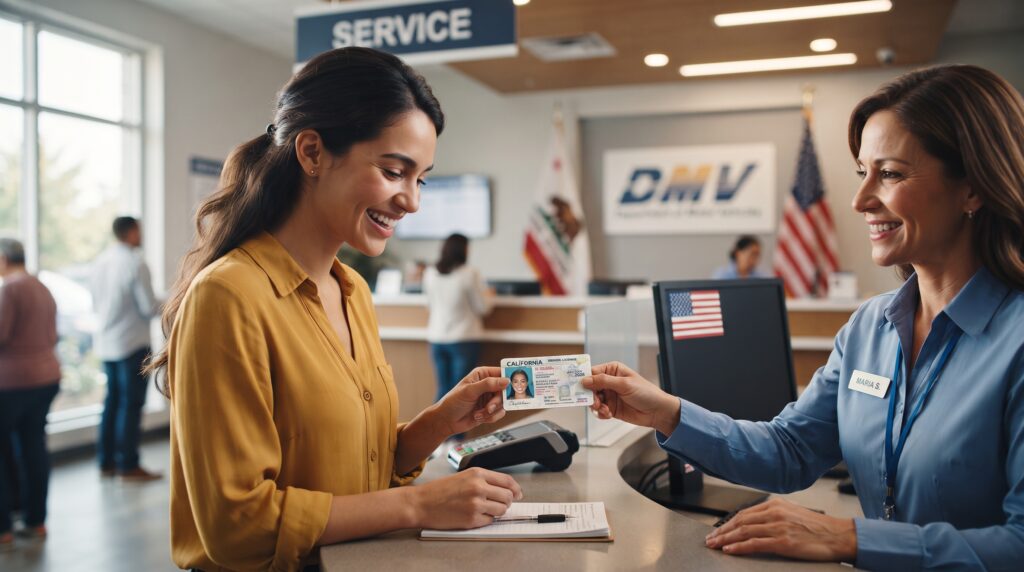
Having a driver’s license is an essential requirement for anyone who wants to legally drive in most parts of the United States. Unlike some countries where driving rules are controlled nationally, the USA has a state-based licensing system. This means the exact process, documents, fees, and testing requirements can be different depending on where you live.
If you are searching for how to get drivers license usa, the first thing to understand is that there is no single nationwide application process. Instead, each state has its own Department of Motor Vehicles (DMV) or equivalent agency responsible for issuing driver’s licenses.
A US driver’s license is not only a document that allows you to drive. It is also one of the most commonly accepted forms of identification in everyday life. People use it for activities such as opening bank accounts, renting vehicles, verifying identity, and completing official paperwork.
Many different groups apply for a US driver’s license, including:
- New residents moving to a different state
- Immigrants who become eligible to drive in the USA
- International students studying at American universities
- Foreign workers living and working in the country
- First-time drivers learning how to drive
Although requirements vary by state, the general process usually follows similar steps:
- Check whether you are eligible
- Prepare the required documents
- Apply through your local DMV
- Pass a written knowledge test
- Complete driving practice requirements
- Pass the practical driving test
- Receive your driver’s license
This complete guide explains every step involved, from eligibility requirements and documents to testing, costs, timelines, and common mistakes to avoid.
Who Can Get a Driver’s License in the USA?
The ability to apply for a driver’s license depends on several factors, including your age, legal status, residency, and the rules of the state where you live.
Generally, applicants must prove three important things:
- Who they are
- Where they live
- That they are legally allowed to drive in the United States
Each state creates its own requirements, but most applicants fall into one of these categories:
- US citizens
- Permanent residents
- Eligible immigrants and visa holders
- International students
- Foreign workers
- Certain temporary visitors
Before starting the application process, it is important to check the rules of your specific state because eligibility requirements can vary.
US Citizens Applying for a Driver’s License
For US citizens, getting a driver’s license is usually a straightforward process if they meet the state requirements.
Age Requirements
Every state sets its own minimum driving age. Many states allow teenagers to begin with a learner’s permit before receiving a full driver’s license.
The process for young drivers often includes:
- Applying for a learner’s permit
- Completing driver education
- Practicing supervised driving
- Passing a driving test
Adults applying for their first license usually have fewer restrictions, but they still need to complete the required exams.
Proof of Identity
US citizens normally need documents that prove their identity. Common examples include:
- Birth certificate
- Valid US passport
- Social Security card
- Government-issued identification documents
The DMV uses these documents to confirm that the applicant is legally eligible for a license.
Social Security Number Requirements
Most states require applicants to provide a Social Security Number (SSN).
The SSN helps government agencies verify identity and maintain accurate records.
If someone does not have an SSN, some states provide alternative options, depending on the person’s circumstances.
State Residency Requirements
Applicants must usually prove that they live in the state where they are applying.
Examples of accepted residency documents include:
- Rental agreements
- Utility bills
- Bank statements
- Insurance documents
- Official government letters
A person who moves to a new state may need to update their license within a certain period after becoming a resident.
Immigrants and Foreign Nationals Applying for a Driver’s License
Many immigrants and foreign nationals can apply for a driver’s license in the USA if they meet their state’s requirements.
The process depends on factors such as:
- Immigration status
- Length of stay
- State regulations
- Available identification documents
Some states allow a wider range of applicants, while others have stricter requirements.
Foreign applicants may need documents such as:
- Passport
- Visa documents
- Permanent resident card
- Employment authorization document (EAD)
- Proof of state residency
- Social Security Number or approved alternative
It is important to remember that having permission to live in the USA does not automatically provide driving privileges. Applicants must still complete the required licensing process.
Documents Immigrants May Need
The exact documents depend on the state, but many foreign applicants provide:
Passport
A passport is commonly used as proof of identity and nationality.
Visa Documents
Applicants may need documents showing their current immigration status, such as:
- Student visa documents
- Work visa documents
- Immigration approval notices
Employment Authorization Documents
Some immigrants may use an Employment Authorization Document as proof of identity and legal authorization.
Proof of Residence
Applicants usually need evidence that they live in the state where they are applying.
Examples include:
- Apartment lease
- Electricity bill
- Bank statement
- Insurance documents
International Visitors and Foreign Drivers
Visitors from other countries may not always need to immediately apply for a US driver’s license.
Many states allow tourists to drive temporarily using a valid foreign driver’s license.
However, rules depend on:
- The state you are visiting
- The length of your stay
- Your driving situation
For example, a tourist visiting the USA for a short holiday may be able to drive using their home country license.
Someone who moves permanently to the USA may eventually need to obtain a local license.
Using a Foreign Driver’s License in the USA
A foreign driver’s license may be accepted if:
- It is valid
- It is not expired
- It identifies the driver clearly
- It matches passport or identity documents
Some rental car companies and authorities may also recommend carrying an International Driving Permit (IDP).
An IDP does not replace your original license. Instead, it provides a translation of your driving information into multiple languages.
You normally need to carry:
- Your original foreign driver’s license
- Your passport or identification
- Your International Driving Permit (if required or recommended)
Understand Driver’s License Rules by State
One of the most important things to understand about getting a driver’s license in America is that rules are controlled by individual states.
The United States does not have one national driving license system. Instead, every state has its own DMV or licensing authority.
Because of this, requirements can vary for:
- Minimum driving age
- Required documents
- Testing procedures
- Application fees
- Renewal rules
- License restrictions
For example, the documents required in California may not be exactly the same as those required in Florida or Texas.
Before applying, always check your state DMV website because requirements and procedures can change.
Getting a Driver’s License in California
California is one of the most common states where people apply for a driver’s license because of its large population and international communities.
The general process includes:
- Completing a driver’s license application
- Providing identity and residency documents
- Passing a vision test
- Passing a written knowledge test
- Completing a behind-the-wheel driving test
Applicants must show that they meet California residency and identification requirements.
The written test covers topics such as:
- Traffic laws
- Road signs
- Safe driving practices
- Speed limits
After passing the written exam and completing required practice, applicants can schedule a behind-the-wheel test.
During the driving test, examiners evaluate skills including:
- Vehicle control
- Lane changes
- Turning
- Parking
- Following traffic rules
Getting a Driver’s License in Florida
Florida is another popular state for new residents, international visitors, and foreign workers. Like other states, Florida manages driver licensing through its own state system, and applicants must meet specific requirements before receiving a license.
The general process includes:
- Gathering required identification documents
- Applying through a Florida licensing office
- Completing a vision and hearing test
- Passing the knowledge exam
- Passing the driving test
- Paying the required fees
Applicants must usually provide proof of:
- Identity
- Legal presence in the United States
- Social Security Number or approved alternative
- Florida residential address
The written knowledge test covers important driving topics, including:
- Traffic laws
- Road signs
- Safe driving practices
- Driving responsibilities
After successfully passing the knowledge exam, applicants may need to complete a road test depending on their situation.
The practical driving test evaluates whether the applicant can safely operate a vehicle. Common skills tested include:
- Starting and stopping
- Turning correctly
- Changing lanes
- Parking
- Following traffic signals
- Maintaining safe driving habits
Foreign residents applying in Florida should carefully check which documents are accepted because requirements may differ depending on immigration status.
Getting a Driver’s License in Texas
Texas has its own driver licensing system managed through the Texas Department of Public Safety (DPS).
The process generally involves:
- Meeting eligibility requirements
- Submitting required documents
- Passing the written knowledge test
- Completing driving practice requirements
- Passing the road test
Teen drivers in Texas often begin with a learner license before applying for a full driver’s license.
A learner license allows new drivers to practice driving under supervision before taking the final driving exam.
Applicants may need to complete:
- Driver education courses
- Supervised driving hours
- Required testing
The Texas driving test checks practical driving abilities, including:
- Vehicle control
- Observation skills
- Traffic awareness
- Parking ability
- Following road rules
After successfully completing all requirements, the applicant receives their Texas driver’s license.
Step 1: Check Your Eligibility Requirements
Before applying for a US driver’s license, the first step is confirming that you meet your state’s eligibility requirements.
Many application problems happen because people start the process without understanding the rules.
Before visiting the DMV, check:
- Minimum age requirements
- Residency requirements
- Identification rules
- Legal status requirements
- Driving experience requirements
The requirements may be different depending on whether you are:
- A teenager applying for your first license
- An adult first-time driver
- A foreign resident
- A new state resident transferring a license
Minimum Age to Get a Driver’s License in the USA
The minimum age for driving varies by state.
Most states have a graduated licensing system for younger drivers. This means teenagers usually cannot immediately receive a full unrestricted license.
The process often follows these stages:
Learner’s Permit
A learner’s permit allows beginners to practice driving while supervised by an experienced licensed driver.
During this stage, drivers learn:
- Basic vehicle control
- Traffic rules
- Parking skills
- Road safety
Intermediate License
Some states provide an intermediate license for younger drivers who complete practice requirements.
This may include restrictions such as:
- Limits on nighttime driving
- Restrictions on passengers
- Required supervision
Full Driver’s License
After meeting age, experience, and testing requirements, drivers can receive a full license.
Adults applying for their first license may skip some teenage restrictions but usually must still complete written and practical tests.
Do You Need a Social Security Number?
A Social Security Number (SSN) is commonly requested when applying for a driver’s license in many states.
The SSN is used to:
- Confirm identity
- Prevent duplicate records
- Verify eligibility
However, not everyone has an SSN.
Some applicants, including certain foreign nationals, may not qualify for one.
Depending on the state, alternatives may include:
- A document showing SSN ineligibility
- Immigration documents
- Other approved identification methods
Because rules differ, applicants should confirm requirements with their local DMV before applying.
Step 2: Prepare Documents Required for a US Driver’s License
One of the most important parts of the application process is preparing the correct documents.
Arriving at the DMV without the required paperwork can delay your application and require another appointment.
Most applicants need documents proving:
- Identity
- Legal status
- Residency
- Social Security Number status
Proof of Identity
The DMV needs to confirm who you are before issuing a driver’s license.
Common identity documents include:
Passport
A valid passport is widely accepted as proof of identity, especially for foreign applicants.
It confirms:
- Your name
- Date of birth
- Nationality
Birth Certificate
US citizens often use a birth certificate as their primary identity document.
Immigration Documents
Foreign nationals may provide documents such as:
- Permanent resident card
- Visa documentation
- Employment authorization card
The exact requirements depend on state regulations.
Proof of Legal Status
Applicants who are not US citizens may need to prove they are legally allowed to live in the United States.
Accepted documents may include:
- Permanent Resident Card (Green Card)
- Employment Authorization Document
- Valid visa documents
- Immigration approval notices
The DMV uses these documents to determine eligibility.
Proof of State Residency
A driver’s license is issued by the state where you live, so you usually need to prove your residential address.
Common documents include:
Utility Bills
Examples:
- Electricity bill
- Water bill
- Internet bill
Lease Agreement
A rental contract can show that you officially live at an address.
Bank Statements
A recent bank statement with your address may be accepted.
Official Letters
Government or official documents may also prove residency.
Many states require more than one proof of address, so check your state requirements before applying.
Social Security Number Documents
If your state requires an SSN, you may need to provide one of the following:
- Social Security card
- Official Social Security documentation
- Approved alternative documents if you do not qualify for an SSN
Always bring original documents or officially accepted copies.
Photographs or unofficial copies are often not accepted.
Step 3: Apply for a Learner’s Permit (If Required)
For many new drivers, the learner’s permit is the first official step toward getting a full driver’s license.
A learner’s permit allows beginners to practice driving legally before completing their final driving test.
The purpose of a learner’s permit is to help new drivers gain:
- Road experience
- Confidence
- Understanding of traffic laws
- Safe driving habits
The requirements for a learner’s permit vary by state, but many states require:
- Minimum age requirement
- Identification documents
- Vision test
- Written knowledge test
- Application fee
What Is a Learner’s Permit?
A learner’s permit is a temporary driving authorization that allows someone to practice driving under specific conditions.
Unlike a full driver’s license, it usually has restrictions.
Examples include:
- Driving only with a licensed adult
- Limited driving hours
- Passenger restrictions
The goal is to help new drivers develop skills before driving independently.
How to Apply for a Learner’s Permit
The application process usually follows these steps:
1. Visit the DMV Office or Apply Online
Some states allow online applications, while others require an in-person visit.
During the application, you provide personal information and submit required documents.
2. Submit Required Documents
You may need:
- Proof of identity
- Proof of residency
- Proof of legal status
- Social Security documentation
The DMV will review your documents before allowing you to continue.
3. Complete a Vision Test
A vision test ensures that applicants can safely see road signs, vehicles, and traffic conditions.
If corrective lenses are required, the license may include a restriction requiring glasses or contact lenses while driving.
4. Pass the Written Knowledge Exam
Most states require applicants to pass a written test before receiving a learner’s permit.
The exam checks understanding of:
- Traffic laws
- Road signs
- Safe driving practices
5. Pay the Required Fee
Applicants must usually pay a licensing fee.
The amount depends on:
- State regulations
- Type of permit
- Applicant age
Step 4: Pass the Written Knowledge Test
After applying for a learner’s permit or beginning the driver licensing process, most applicants must pass a written knowledge test.
The purpose of this test is to confirm that drivers understand basic traffic laws, road signs, and safe driving practices before operating a vehicle on public roads.
Although the exact format varies by state, most written tests include multiple-choice questions based on the official state driver handbook.
The exam usually covers:
- Traffic signs
- Road rules
- Speed limits
- Right-of-way rules
- Parking regulations
- Safe driving techniques
- Alcohol and drug-related driving laws
- Emergency situations
Studying properly before taking the exam significantly increases your chances of passing on the first attempt.
What Questions Are on the Driving Knowledge Test?
The written driving test focuses on practical knowledge needed for safe driving.
Traffic Signs
Applicants need to understand different road signs, including:
- Stop signs
- Yield signs
- Speed limit signs
- Warning signs
- Construction signs
- School zone signs
Understanding road signs is one of the most important parts of becoming a safe driver.
Road Rules
The exam commonly tests knowledge of:
- Who has the right of way
- Turning rules
- Lane usage
- Traffic signals
- Highway driving rules
For example, drivers must understand when they can turn, when they must stop, and how to safely interact with other vehicles.
Speed Limits
Questions may cover:
- Residential speed limits
- Highway speed limits
- School zone restrictions
- Weather-related speed adjustments
Drivers are expected to understand that speed limits are maximum limits, not always the safest speed.
Safe Driving Practices
The test may include questions about:
- Maintaining a safe following distance
- Checking mirrors
- Using indicators
- Avoiding distractions
- Driving in bad weather
The goal is not only to test memorization but also to evaluate whether applicants understand responsible driving behavior.
How to Prepare for the Written Test
Good preparation can make the difference between passing and failing.
Here are effective preparation methods:
Study Your State Driver Handbook
Every state publishes an official driver handbook explaining:
- Traffic laws
- Road signs
- License requirements
- Driving responsibilities
This should be your main study resource.
Practice Online Tests
Practice tests help you become familiar with:
- Question formats
- Common topics
- Areas where you need improvement
Taking several practice tests before your exam can improve confidence.
Learn Road Signs
Many applicants struggle because they underestimate the importance of road signs.
Spend time learning:
- Sign shapes
- Colors
- Meanings
- Required actions
Review Common Mistakes
Pay attention to questions you answer incorrectly during practice.
Understanding why an answer is wrong helps you avoid making the same mistake during the real test.
Step 5: Complete Driving Practice Requirements
Passing the written test does not mean you are ready for independent driving.
Most states require new drivers to complete practical driving experience before receiving a full driver’s license.
The amount of required practice depends on:
- Your age
- Your state
- Whether you have previous driving experience
Practice helps drivers develop:
- Vehicle control
- Confidence
- Road awareness
- Decision-making skills
Driving Lessons With an Instructor
Professional driving lessons are one of the best ways to prepare for the road test.
A qualified instructor can teach:
- Proper driving techniques
- Defensive driving skills
- Parking methods
- Lane-changing procedures
- Test preparation strategies
Driving instructors also understand what examiners look for during the practical test.
Benefits of professional lessons include:
Learning Correct Techniques
Many beginners develop bad habits when learning from friends or family.
An instructor helps build proper driving habits from the beginning.
Improving Confidence
New drivers often feel nervous in traffic.
Regular lessons help reduce anxiety and improve decision-making.
Preparing for the Road Test
Instructors can identify weaknesses and help you practice specific skills required during the exam.
Practicing With a Licensed Driver
Many states allow learner drivers to practice with an experienced licensed driver.
This person may need to:
- Meet minimum age requirements
- Have a valid driver’s license
- Sit in the passenger seat
During practice sessions, new drivers should focus on:
- Smooth acceleration and braking
- Proper mirror use
- Safe turning
- Parking
- Highway driving
- Following traffic rules
Always follow learner permit restrictions because violating them can delay your licensing process.
Step 6: Pass the Driving Test
The final major step in getting a US driver’s license is passing the practical driving test.
The road test evaluates whether you can safely operate a vehicle in real traffic conditions.
The examiner is not only checking whether you can move the car. They are evaluating whether you can make safe decisions.
What Happens During the Driving Test?
The exact test format depends on the state, but common sections include:
Vehicle Safety Checks
Before driving, the examiner may check whether you understand basic vehicle safety.
You may need to demonstrate:
- Working lights
- Turn signals
- Brake lights
- Seat belt use
- Vehicle controls
Starting and Stopping
The examiner evaluates whether you can:
- Start the vehicle safely
- Check surroundings
- Move smoothly
- Stop correctly
Turning
Drivers must demonstrate proper turning techniques.
This includes:
- Using indicators
- Checking traffic
- Staying in the correct lane
- Controlling speed
Lane Changes
Safe lane changing requires:
- Checking mirrors
- Looking over your shoulder
- Signaling correctly
- Maintaining safe distance
Parking
Parking skills are commonly tested.
Depending on the state, this may include:
- Parallel parking
- Reverse parking
- Parking in a designated area
Following Traffic Rules
Throughout the test, examiners check whether you:
- Obey traffic signs
- Follow speed limits
- Maintain safe distances
- Respond correctly to other drivers
Common Reasons People Fail the Driving Test
Many applicants fail because of small mistakes rather than major driving problems.
Common reasons include:
Not Checking Mirrors
Drivers should regularly check mirrors before:
- Changing lanes
- Turning
- Stopping
Incorrect Lane Changes
Common mistakes include:
- Forgetting indicators
- Not checking blind spots
- Moving too quickly
Poor Parking Skills
Parking errors are one of the most common reasons for failure.
Practice parking repeatedly before your test.
Speed Control Mistakes
Driving too fast or too slowly can create safety problems.
Maintain a speed appropriate for the road conditions.
Ignoring Traffic Signs
Failing to stop completely at stop signs or misunderstanding signs can result in immediate failure in many states.
How Much Does It Cost to Get a Driver’s License in the USA?
The cost of getting a driver’s license varies depending on the state.
Typical expenses may include:
- Application fee
- Learner permit fee
- Written test fee
- Driving test fee
- Driving lessons
- Driver education courses
- Vehicle rental for testing (if needed)
The total cost can range from a relatively small DMV fee to several hundred dollars if professional lessons are included.
Factors affecting the cost include:
- State fees
- Number of lessons needed
- Whether you already know how to drive
- Test attempts
Before applying, check your state DMV website for current fees.
How Long Does It Take to Get a Driver’s License in the USA?
The time required depends on your situation.
Factors include:
- Your age
- State requirements
- Test availability
- Driving experience
- Required practice hours
A typical timeline may look like this:
Learner Permit
Many applicants can receive a learner permit within days after passing required tests.
Practice Period
This can take:
- Several weeks
- Several months
depending on state rules and personal progress.
Full Driver’s License
You receive your full license after:
- Completing requirements
- Passing the road test
- Paying required fees
Experienced drivers may complete the process faster than beginners.
Can Foreigners Get a Driver’s License in the USA?
Yes, many foreigners can get a driver’s license in the USA if they meet their state’s requirements.
Eligibility depends on:
- Immigration status
- Residency
- Required documents
- State regulations
Foreign applicants may include:
- International students
- Foreign workers
- Permanent residents
- Eligible visa holders
The process is generally similar to other applicants:
- Provide documents
- Pass knowledge test
- Complete driving requirements
- Pass road test
Documents Foreign Applicants Usually Need
Foreign applicants commonly need:
- Passport
- Visa documents
- Immigration documents
- Proof of address
- Foreign driver’s license (if available)
Some states may also require additional documentation.
Always confirm requirements before visiting the DMV.
Can You Drive in the USA With a Foreign License?
Many visitors can temporarily drive in the USA using a valid foreign driver’s license.
However, rules depend on:
- State laws
- Length of stay
- Purpose of visit
An International Driving Permit (IDP) may be useful because it translates your driving information into different languages.
Remember:
An IDP is not a replacement for your original license.
You should carry:
- Your foreign driver’s license
- Your passport
- Your IDP if required
Common Mistakes When Applying for a US Driver’s License
Avoid these common problems:
Bringing Incorrect Documents
Always check document requirements before your appointment.
Missing paperwork is one of the most common reasons applications are delayed.
Not Checking State Rules
Do not assume every state follows the same process.
California, Florida, Texas, and other states have different requirements.
Booking Tests Too Early
Make sure you are properly prepared before scheduling your driving test.
Not Practicing Enough
Passing the written exam does not mean you are ready to drive safely.
Practice is essential.
Ignoring License Restrictions
Learner permits and temporary licenses often have restrictions.
Ignoring them can cause penalties or delays.
FAQs
How long does it take to get a driver’s license in the USA?
The timeline varies. Some people complete the process within weeks, while beginners may need several months due to practice requirements.
Can I get a US driver’s license without a Social Security Number?
In some states, alternatives may be available if you are not eligible for an SSN. Requirements depend on state rules.
Can foreigners get a driver’s license in America?
Yes. Many foreigners can apply if they meet residency, identification, and legal status requirements.
How much does a driver’s license cost in the USA?
Costs vary by state. Fees, lessons, and testing expenses determine the final amount.
Can I drive immediately after passing my driving test?
In many states, you can legally drive after receiving temporary documentation or confirmation from the licensing authority.
Which state is easiest to get a driver’s license?
There is no officially easiest state because requirements change and depend on your personal situation.
Can I use my foreign driver’s license in the USA?
Many visitors can use a valid foreign license temporarily, but rules depend on the state and length of stay.
Do I need an appointment at the DMV?
Many DMV offices require appointments, especially for driving tests. Check your local DMV before visiting.
Conclusion:
Getting a driver’s license in the USA requires preparation, patience, and understanding your state’s specific requirements.
Although the process may seem complicated at first, following the correct steps makes it much easier.
The main steps are:
- Check your eligibility
- Prepare the required documents
- Apply through your state DMV
- Pass the written knowledge test
- Complete driving practice
- Pass the road test
- Receive your driver’s license
Whether you are a first-time driver, a new resident, an immigrant, or an international student, understanding the process is the first step toward driving legally and confidently in the United States.
Always check your state DMV website before applying because requirements, fees, and procedures can change over time.